Venue listings may show general opening hours, so confirm separately that the pokie area is operating when you plan to visit.
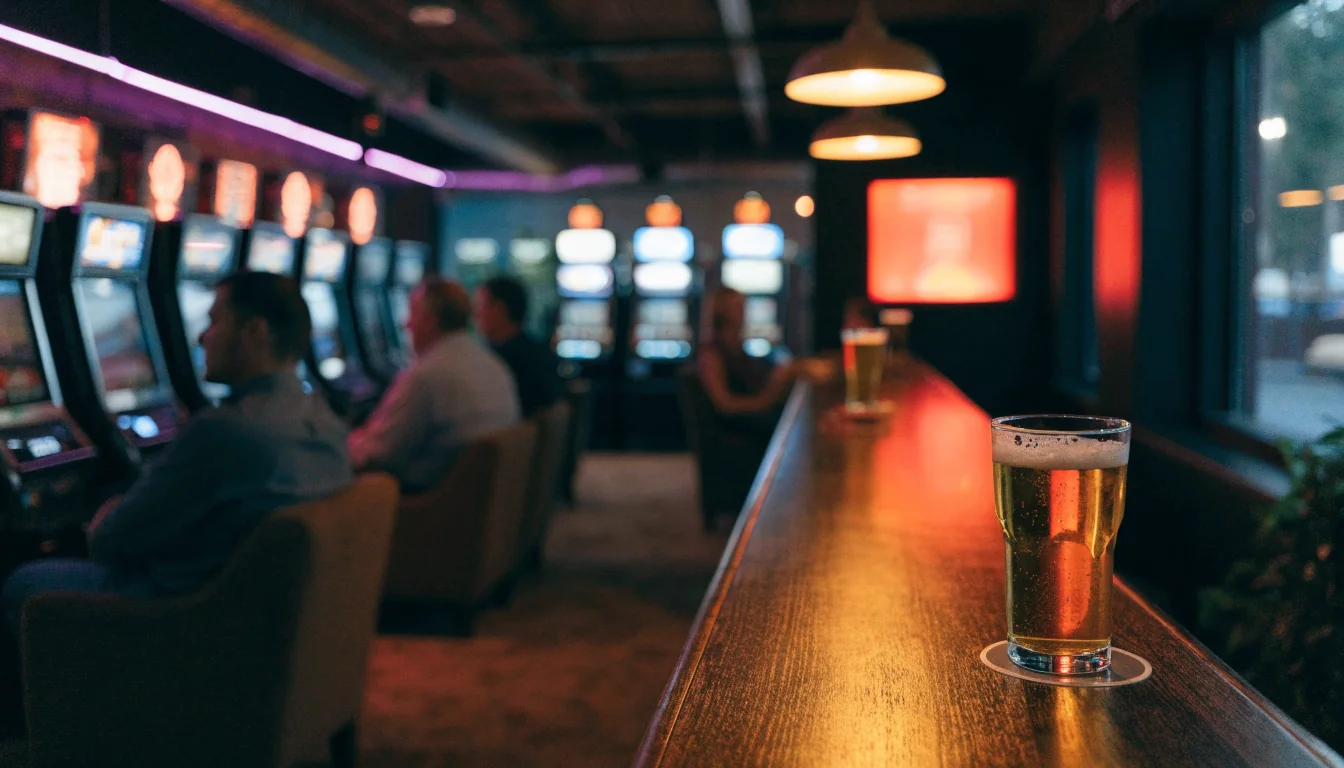
A venue can be open while its pokie area is closed, or its published hours can differ from the hours on a particular day. If you are deciding whether to go out now, the useful question is not simply whether a listing says “open”. Check that the listing refers to the venue you intend to visit, that its hours apply to the date in question, and that pokies are available during those hours.
That distinction matters for early-morning and late-night plans. A general venue listing may describe a restaurant, bar or club rather than the gaming area. It may also show standard hours without making clear whether they change on a public holiday or for a private function. Treat an online listing as a starting point, then confirm the detail that affects your trip.
Start with the venue’s official website or another current source controlled by the venue. Look for an hours page, a notice about temporary changes, and a phone number. If the site gives only general opening hours, contact the venue and ask specifically whether its pokie area is operating at the time you plan to arrive.
A concise check can settle several points at once:
The first answer does not automatically answer the second. A restaurant may serve customers when its gaming area is unavailable; a venue might also have separate schedules for different facilities. A listing that says “open” is not, by itself, confirmation that you can play pokies there at that moment.
For a visit at an unusual hour, direct confirmation is more useful than an old directory entry. If nobody answers, check for a dated notice on the venue’s own channels before travelling. Avoid treating a search result’s status label as a live promise: such labels can lag behind a temporary change, and they may not describe which part of a venue is open.
If you are looking for a Canberra venue before work or after an evening out, establish the exact operating hours rather than relying on phrases such as “open early” or “open late”. Those descriptions are relative. One person’s early start is another person’s missed opening time.
Check the day as well as the clock time. A venue may have different hours on weekdays and weekends, and holiday arrangements can differ from its usual schedule. If you are travelling specifically for pokies, ask whether the gaming area’s hours match the main venue’s hours. Do not infer that they do.
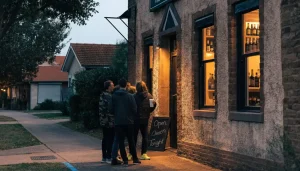 Best pokies in Geelong: how to check venuesLearn how to check whether a Geelong venue is open and its pokies are operating, and why map listings and older directory…
 Best Pokies in Tasmania: Venues, Hours and Online RulesLearn how to compare physical venues with online pokies, check venue-specific opening details and understand why random spins do not follow reliable…
It is also worth checking how the venue handles entry near closing time. A venue could stop admitting patrons before the published closing time, or a particular area could close before the building does. If arriving close to either boundary, ask about last entry and when play ends. These are practical questions, not details that a general map listing is designed to settle.
For a very early or late visit, also consider whether your transport plan depends on the venue being open. Confirming the address and the relevant operating hours before leaving helps avoid arriving at a closed entrance or at a part of the venue that is not available. If the information is unclear, a quick call is more reliable than interpreting an ambiguous listing.
Location names help narrow a plan, but they do not identify a particular venue. A reference to Canberra’s CBD, Parkes or the airport could describe an area of interest rather than a confirmed pokie location. Before setting a destination, match the venue’s own name and street address against a current map or the venue’s official contact information.
Match the venue's own name and street address against a current map or official contact information before setting your destination.
For a CBD visit, check the precise address and entrance. A place described as being “in the city” may still be a walk from the point you have in mind, and a map pin can mark a building rather than the door used by visitors. If you are meeting someone or changing transport nearby, use the venue’s own directions where available.
For Parkes, confirm that the result refers to the Canberra district you intend, not another place with the same name. Place names can be shared, and short search results often omit context. An address and a map location are more useful than a locality label alone.
For an airport-related plan, distinguish a venue at the airport from one described as being near it. The wording can refer to different places, and “near” does not establish that a venue is inside the terminal or accessible from it. Check the exact address, the relevant entrance, and whether the operating hours you found apply to that site. If your plan depends on catching or meeting a flight, leave room for the possibility that the venue’s hours or access arrangements do not fit your schedule.
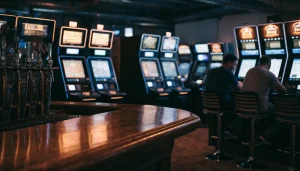 Perth Pokies: Venues, Opening Times and Online TermsLearn how to check venue hours, compare Perth locations and assess online terms; an “open” listing alone does not confirm the gaming…
 Melbourne Pokies: Venue Locations, Hours and ChecksCompare Melbourne pokies venues by location and travel route, check opening hours before visiting, and understand the distinction between online and cashless…
These checks do not require a long investigation. They simply prevent a broad area name from doing the work of an actual address. A result that names a suburb or landmark is not enough to confirm that a particular venue is there, open, or operating pokies.
A search or conversation that mentions “Crown” or “Newcastle” may not be about Canberra. Those words can refer to places or businesses elsewhere, and a result that combines them with Canberra wording can be confusing. Do not assume that a venue belongs to the Canberra area just because the terms appear together on a page or in a listing.
Check the full venue name, its address and the map location. If a listing points outside Canberra, it is not a Canberra option merely because it appeared beside Canberra-related information. If the address is absent or unclear, contact the business before making a trip.
Attention: Do not assume a venue is in Canberra simply because terms like "Crown" or "Newcastle" appear alongside Canberra-related wording in a listing.
The same principle applies when someone uses a nickname or an abbreviated venue name. Search results can merge references, show outdated material, or omit the location that distinguishes one result from another. Match the name to a current address and use the venue’s own contact details to confirm the destination. A familiar label is not a substitute for a location.
A reliable pre-visit check can be kept short:
This is especially useful when several listings use similar names or when a map result gives only a broad location. Save the address and the venue’s contact details so that you can check again if the plan shifts. If you cannot confirm the relevant hours, do not treat a generic “open” status as confirmation that pokies will be available.
A current, venue-controlled hours page can help you decide when to visit. A dated notice can flag a temporary closure or change. A direct answer from the venue can clarify whether the hours apply to the gaming area. Each answers a different question, so it is sensible to compare them when the timing matters.
A third-party directory may still be useful for finding a name or address, but its information should be checked against the venue. A listing can persist after details change, and an automated status may not distinguish between facilities inside the same building. If a directory and the venue’s own information disagree, ask the venue rather than choosing whichever answer is more convenient.
 Pokies in Adelaide: comparing games and venuesLearn how the same pokie can have different return settings at different casinos, and what venue details, mobile access and online withdrawal…
 Pokies in South Australia: Comparing VenuesLearn why RTP settings do not predict individual outcomes, and what to check about venue hours, locations, safeguards and PayID claims.
A phone call is most useful when you ask a specific question. “Are you open?” may produce an answer about the building as a whole. “Are pokies operating when I expect to arrive?” makes the distinction clear. If you need to know about access near closing, ask that directly as well. The goal is not to collect every detail about a venue; it is to confirm the detail your trip depends on.
Opening hours and location tell you whether a venue may be accessible. They do not tell you how a pokie pays, and a venue that is easier to reach is not necessarily better on any game-return measure. Keep those comparisons separate: first establish whether a place and its gaming area suit your visit, then assess game-level information on its own terms.
A venue name, its neighbourhood, a busy room or a convenient schedule cannot establish a payout percentage. Nor does an open sign. If your decision is about getting to a location, use an address and confirmed operating hours; do not use those details as a proxy for how a game performs.
That distinction also helps with broad claims attached to a location. A listing may combine venue details with promotional language or general statements about pokies, but the location itself does not substantiate a return claim. Keep the decision criteria in separate columns: access, timing and location on one side; game information on the other. Mixing them makes a comparison look more complete than it is.
A report published by regionriverina.com.au described a rule applying from 1 July under which venues with more than 20 gaming machines would need a dedicated Responsible gambling officer (RGO) on duty while those machines were operating. The report also described a one-month grace period for venues to remove signage and introduce RGOs, alongside a requirement to keep a gambling incident register covering occurrences such as behaviour indicating that a patron may be at risk of, or affected by, gambling harm.
That report concerns a venue requirement; it is not a directory of Canberra venues or their hours. Do not use it to infer that a particular Canberra location has a certain number of machines, that an RGO is on duty at a specific time, or that its gaming area is currently open. For a question about an individual venue’s arrangements, ask the venue directly.
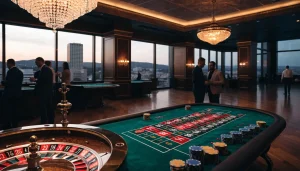 Canberra Casino Guide: Stays, Poker and Practical ChecksLearn how to assess room rates, casino access and package extras, plus what to verify for poker, dining and nearby stays; a…
 Best Pokies in Sydney: Venue and Online Search GuideLearn how to assess Sydney-area venue listings, distinguish in-person searches from online play, and verify whether a venue is operating.
Responsible-gambling signage and staff arrangements can be relevant to what you see on site, but they do not answer the basic access questions. The venue’s operating schedule still needs to be checked, and a posted notice does not replace confirmation of the gaming area’s hours. If you have a concern about gambling harm, you can choose not to enter or to leave; a visit is not an obligation simply because you have made the trip.
When a map listing, directory and venue page show different details, prefer information that is both current and directly tied to the venue. Check the date on a notice, whether the address matches, and whether the hours are for the right facility. If those checks do not resolve the conflict, contact the venue.
Do not average conflicting opening times or assume the later one is correct. One source may describe the main building, while another describes a particular service; one may also be out of date. Ask which hours apply to the pokies and to your intended day. If the venue cannot clarify, plan on the basis that access is uncertain rather than travelling on an assumption.
A similar approach works when the location itself is disputed. Confirm the street address, then compare it with a map. If the name and address point to different places, pause before setting off. This is particularly important when a result combines a Canberra area with an unrelated place name such as Newcastle or Crown: the combination may not describe one local venue at all.
“Best” depends on the criterion. If you need a venue that is open when you finish work, timing is the deciding factor. If you are meeting someone near the CBD, the address and entrance matter more. If you are travelling via the airport, proximity and access arrangements need to be clear. None of those priorities can be settled by a generic claim that a place is popular or convenient.
Build a simple comparison with the venue name, confirmed address, the source of the hours, whether the gaming area’s schedule was confirmed, and any point still needing a call. This keeps a location decision legible. If one venue’s hours are confirmed and another’s are not, that is a meaningful difference for a time-sensitive visit—even without treating either as a better pokie venue overall.
Avoid filling the table with details that do not help you reach a decision. A vague area label is less useful than an address; a general opening status is less useful than confirmation about the gaming area. Keep the comparison focused on what changes your route or timing.
Recheck the hours on the day if your plans depend on a particular opening window. Confirm that the venue is the one you intended, that its address matches your route, and that the pokie area will be operating when you arrive. For early or late visits, be explicit about the time rather than relying on “open early” or “open late”.
If your destination came from a result mentioning Parkes, the CBD, the airport, Crown or Newcastle, verify the full location rather than relying on the wording alone. And if the reason for choosing a venue is a claim about payout, treat that as a different question from whether you can get through the door.
Access first. Then compare.
If you’re looking for pokies options while browsing from Canberra in 2026, this list gives you a concise reference to the details available for each operator. Check the relevant terms and availability for yourself before deciding.
Uptown Pokies
Uptown Pokies has operated since 2017 and lists a Curacao licence. Its minimum deposit is A$20.
JustCasino
JustCasino lists a licence from the Curacao Gaming Control Board. That is the licensing detail available here.
House of Pokies
House of Pokies lists an international iGaming licence, though the jurisdiction is not named in the source. PayID payouts are listed at 1–24 hours, and the minimum deposit is A$30, or A$10 when using PayID.
Wild Tokyo
Wild Tokyo lists a Curacao licence and a minimum deposit of A$10. Its stated payout times are 30–60 minutes for crypto and 1–5 days for fiat.
DragonSlots Casino
DragonSlots Casino lists a Curacao Gaming Authority licence under Jumpman Gaming Ltd. No deposit or payout details are provided here.
Bizzo Casino
Bizzo Casino lists a Curacao Gaming Control Board licence under TechSolutions Group N.V. The available details focus on its licensing.
Neospin
Neospin lists a Curacao Gaming Control Board licence, OGL/2023/176/0095, under Hollycorn N.V. No other operator details are provided here.
Golden Pokies
Golden Pokies lists a Curacao licence. That is the only specific operator detail available here.
Thor Casino
Thor Casino lists a Curacao licence associated with Antillephone N.V. and Versus Odds B.V. Its minimum deposit is EUR 20.
Vegaz Casino
Vegaz Casino lists a Curacao licence, OGL/2024/1335/0780. Its minimum deposit is EUR 20.
“Best paying” sounds like a clear ranking, but it only means something when you know what is being compared. A return-to-player figure, or RTP, describes a game’s theoretical return over extended play. It is not a forecast of what you will get back from a particular session, and it does not tell you whether a single spin will win.
There is another complication: according to a specialist review, some providers let casinos choose between different RTP settings for the same pokie. So a figure associated with a game may not apply everywhere that game appears. When you compare a return claim, check whether it refers to the specific version and setting available at the place you are considering. If the setting is not clear, the headline figure is not enough to establish that one option pays better than another.
RTP can help you compare games only when the figures are presented on a like-for-like basis. That means checking that each figure refers to the same kind of measure, the relevant game version and the setting actually in use. A number without that context can look precise while leaving the important comparison unresolved.
A return-to-player figure that describes a game's theoretical return over extended play, rather than a guarantee of a specific session's outcome.
Even a clearly stated RTP is a long-run theoretical measure, not a personal return guarantee. It cannot tell you what will happen during your next visit or session. Nor does a higher stated figure mean that a win is due, or that a game will produce frequent small wins. Those are different questions from the theoretical return.
For someone looking at pokie options around Canberra, including the CBD, this distinction matters more than a loose “best paying” label. A venue’s location does not establish a game’s RTP, and a game’s return figure does not by itself establish which venue is the better choice. Keep the comparison focused on the game-level information rather than treating location, popularity or a prominent claim as evidence of payout.
A pokie uses a Random Number Generator to determine the result of each spin. Each result is generated independently, so a run of losses does not make a win more likely on the next spin. A recent win does not mean the following spin is less likely to pay, either.
This is why a machine that has been described as “due” is not a sound choice on the basis of its recent results. The same applies to stories about a pokie paying heavily earlier in the day or staying quiet for a long stretch. Those observations do not change the independent random process behind the next spin. Past outcomes tell you what happened; they do not provide a reliable forecast.
That point can be easy to lose when comparing games. A player may remember a short session more vividly than a theoretical figure, but a brief personal run cannot confirm or disprove a game’s long-run return. Treat anecdotes as accounts of individual experiences, not as evidence that a particular pokie has a better setting.
Before treating one return claim as stronger than another, ask:
If the answers leave key details unclear, the fair conclusion is that the figures cannot support a confident ranking. That is not a reason to fill the gap with a guess. It is a reason to compare only what is actually stated.
There is no dependable way to identify the “best paying” Canberra pokie from a label alone. The better comparison is the one with clear, relevant RTP information—and even then, the figure describes a theoretical return, not an outcome you can count on. A neat ranking would be satisfying. It would not make the next spin less random.
A website may look like a local option for playing pokies online, but appearance and location do not change the legal position. Under the Interactive Gambling Act 2001, companies must not provide real-money online pokies to people in Australia without a domestic licence. No such licences have been issued, so there is no Australian-licensed online casino.
Legal Risk
Under the Interactive Gambling Act 2001, there are no Australian-licensed online casinos, meaning players using offshore sites have no legal recourse in Australia for disputes.
That distinction matters when you assess claims about online play from Canberra. A site accepting Australian customers, displaying Australian currency or offering a payment method used locally does not thereby become licensed in Australia. Nor does a site’s claim that it holds an overseas licence supply the domestic licence that does not exist.
The law targets providers, rather than making an individual player criminally liable simply for playing on an offshore site. Australians can legally play on offshore sites that accept them. That does not make those services Australian-regulated or provide the protections a local licence might imply. The legal exposure and the practical risks are not the same thing.
The most consequential practical risk is what happens if there is a dispute. If an offshore casino refuses to pay winnings, Australian players have no legal recourse in Australia. A support chat, a polished website or a payment option cannot replace that recourse. Before you share personal or financial details, consider whether you are willing to rely on a company outside Australia to resolve a complaint.
“Best paying” is not a useful shortcut for choosing an offshore site. A payout claim does not establish that the service is licensed here, and a bonus does not fix that gap. Treat promises of a no-deposit offer, high limits or quick access as marketing claims, not evidence of Australian oversight. A generous headline can still leave you with little practical protection. Not much comfort.
If you are considering an offshore service, read its rules before registering or depositing. Find out what documents it requires for identity and address checks, and make sure you can meet those requirements before your first withdrawal. Also read the withdrawal terms and the process for complaints; knowing them in advance does not guarantee payment, but it helps you understand what the operator says it will do.
Do not infer fairness, licensing or transparency from a payment method. A site’s ability to accept a particular transfer says nothing by itself about its legal status in Australia. Likewise, an offshore operator’s statement that it is licensed elsewhere does not make it an Australian-licensed casino.
Responsible-gambling controls are another separate consideration. Deposit limits, loss limits, session time limits and self-exclusion are standard tools to look for, but their presence does not make an offshore site locally regulated. BetStop applies to Australian-licensed operators; it does not bind offshore sites. If you rely on self-exclusion, do not assume that registering with BetStop will prevent access to an offshore service.
The useful comparison is not simply which site advertises a bonus or accepts a particular payment. It is whether you understand who operates the service, what its terms require, what safeguards it offers and what recourse you would have if something went wrong. In Australia, that last point is decisive: offshore play may be legally available to the player, but an Australian-licensed online casino is not.
You must be at least 18 to gamble online in Australia.
You can legally play on offshore sites that accept Australian players, but operators cannot legally offer real-money online pokies to Australians without a domestic licence, and no Australian online casino licences have been issued. If an offshore site refuses to pay, you have no legal recourse in Australia.
Check the wagering requirement and what it applies to before accepting a promotion. For example, a $500 bonus at 40x requires $20,000 in bets; if the 35x requirement applies to a $500 deposit plus a $500 bonus, it requires $35,000 in bets. Free-spin winnings may also have a cash-out cap.
You cannot use a strategy to predict or control a spin: each one is an independent random event determined by a Random Number Generator. You can set deposit, loss and session-time limits to manage your play.